
Tankstationer
Mellem stander og kasse er det forløbet, der afgør.
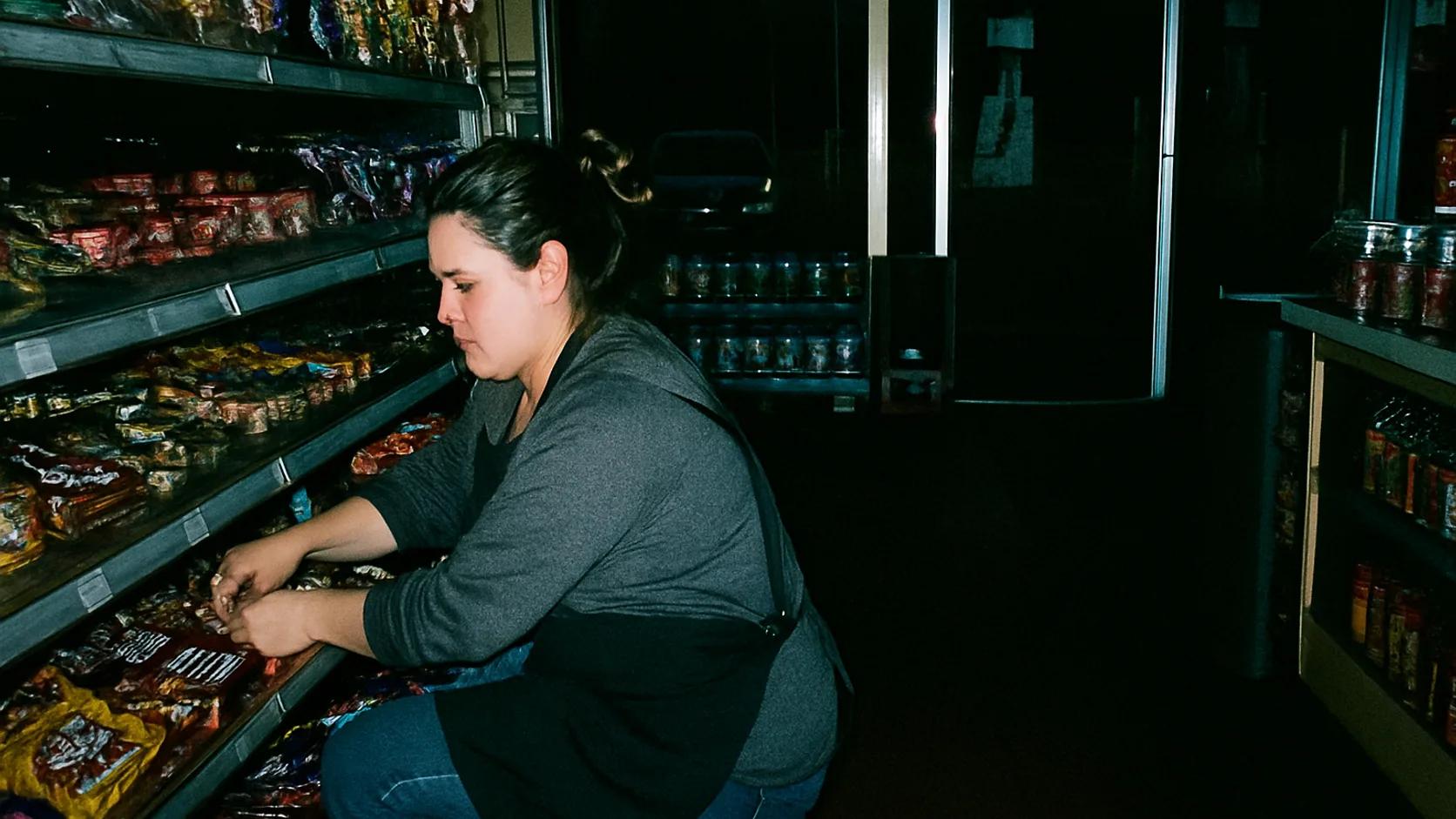
Mellem vagtskiftet klokken seks og det næste klokken fjorten ligger det egentlige arbejde: tælle kasse og beholdning ved vagtstart, tjekke, at standerne virker, fylde bake off-hylden op, lægge snacks i varmemontren, justere undervejs, når en stander går ned, eller kaffeautomaten strejker, og ved vagtens slutning gøre kassen op og overlevere til nattevagten. Hver vagt overleverer denne tilstand til den næste, døgnet rundt, for her er der ingen, der lukker. Står den som et klart forløb, kører stationen lige så pålideligt klokken tre om natten som klokken tre om eftermiddagen, uanset hvem der står alene bag kassen i dag.
De samme standarder, fra den uafhængige tankstation til den store kæde.
Hvert apparat har sine egne opgaver
Standere, vaskehal, køleregal, kaffemaskine og snackstation står ikke som „rengør butikken" på én liste. Hvert apparat har sine egne opgaver, delt op i vagtstart og vagtslut: tjekke standerne for tæthed og funktion, kontrollere kemikalieniveauet i vaskehallen, dokumentere køleregalets temperatur, rengøre og afkalke kaffemaskinen.
Stederne navngiver deres apparater med typebetegnelse, ikke med et fællesnavn. Står flere standere side om side, er det med „Stander 3 diesel" straks klart, hvilken der menes, og en fejlmelding lander direkte ved det rigtige apparat i stedet for på en generel liste.
Alle opgaver kan kobles til apparater fra kataloget. Fra det øjeblik de er koblet, stiller systemet automatisk den rette brugsanvisning til rådighed: den hænger på apparatet, og teksten kan søges igennem. AI-assistenten besvarer spørgsmål ud fra den, uden at nogen skal lede efter manualen.
Flere sprog er normalen her
Opgaver oprettes og gøres op på virksomhedens sprog, tysk eller engelsk. Hver medarbejder får dem vist på sit eget sprog: tysk, engelsk, spansk, serbisk, russisk, tyrkisk, fransk eller vietnamesisk. Salg, vagtledelse og rengøringspersonale kommer i denne branche sjældent fra ét land — det er ikke en undtagelse, men hverdag.
Sproget følger medarbejderen, ikke stedet. Den, der helst læser på sit eget sprog, får opgaverne sådan, mens oprettelse og opgørelse for stationsledelsen bliver på virksomhedens sprog.
Forpladsen hører med
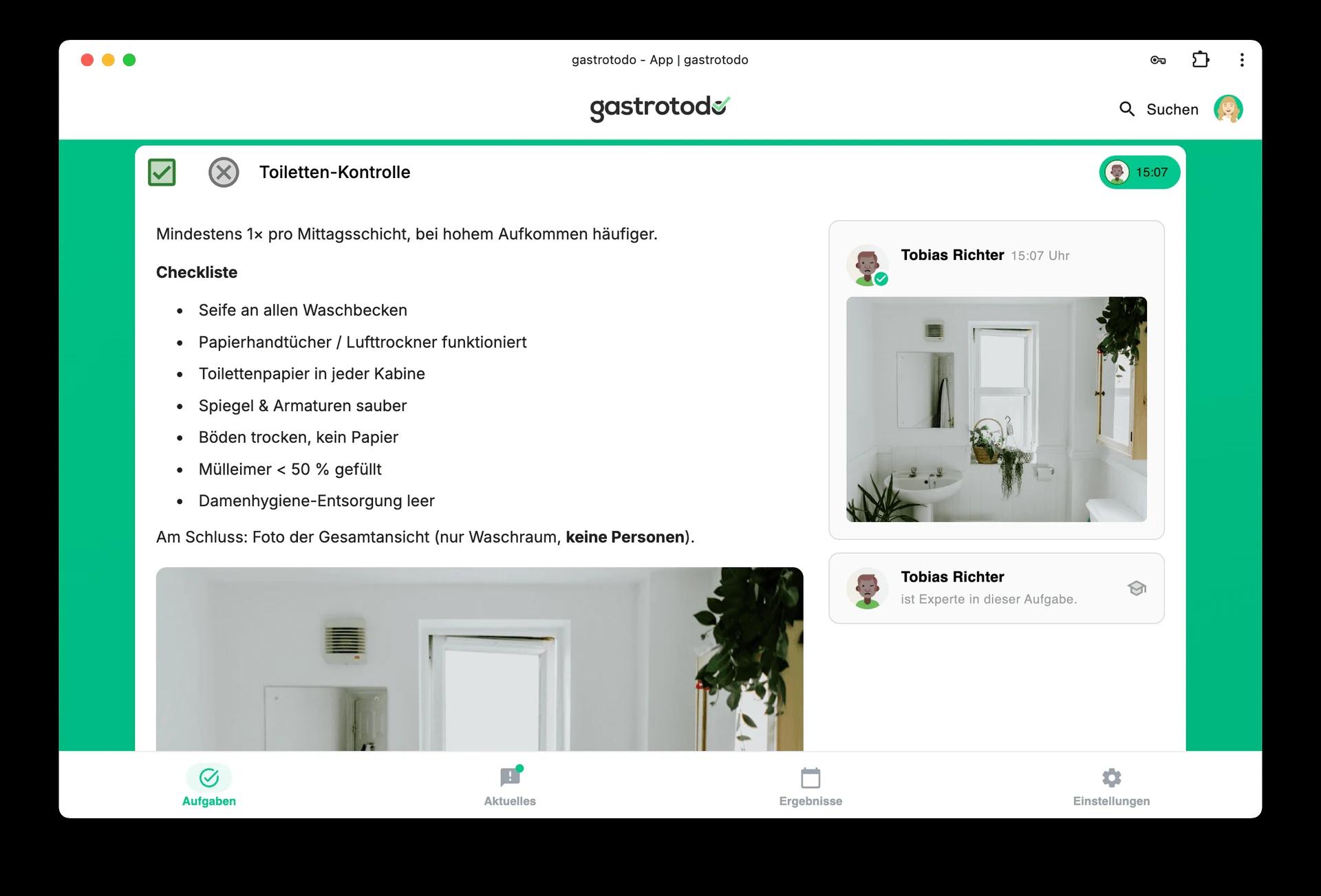
Butikken er kun en del af driften. Standere med papir og dieselhandsker, fylde spande og kander, feje plads og indkørsel, rengøre vaskehallens gulv, tømme skraldespandene udenfor — det er det område, kunden ser først.
Og det eneste „gæsteareal", der bliver kørt hen over. Uden et eget område forsvinder det i hverdagen mellem kasse og ovn.
Produktkvalitet dokumenteres som hygiejne
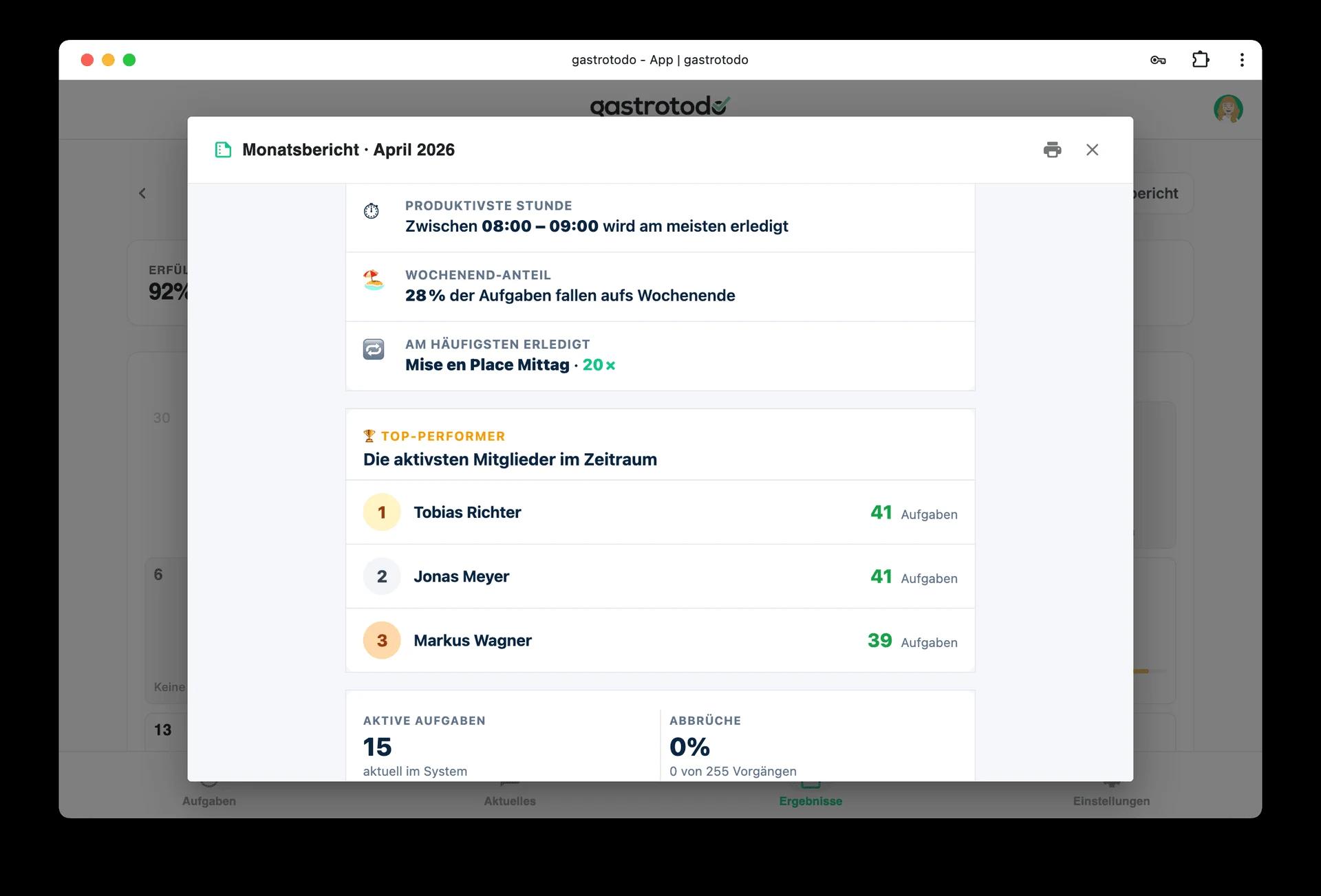
Ved siden af rengøringsopgaverne kører kontrolpunkter på produktet og anlægget: overholde snacksenes varmholdetider, stikprøvekontrollere kvaliteten af kaffe og bagværk, kontrollere holdbarheden på kølevarerne, pejle tankene og tjekke standerne for utætheder, tælle kassebeholdningen ved hvert vagtskifte. Dertil opgaven med jævnligt at teste nødstop og kameraanlæg, fordi én person her ofte har nattevagten alene.
Dokumentationen er her altså ikke kun myndighedsbestemt. En tankstation dokumenterer, om stander, kaffe og kasse også fungerer pålideligt klokken to om natten, fordi det er præcis det, der gør forskellen, når en kunde er alene på farten.
Hvad tankstationer vil vide først
Vi er bundet til et brand. Fastlægger hovedkontoret standarderne?
Ja, ligesom ved franchise: brandet vedligeholder standardtjeklister centralt, og forpagteren tilføjer egne opgaver efter behov uden at ændre grundstandarden.
Hvor ofte om dagen kan en opgave som køleregalkontrollen gentage sig?
Så ofte du vil. Temperaturkontroller hver time opretter du som enkelte opgaver per klokkeslæt — så kan du bagefter se præcis, hvilken runde der manglede.
Hvordan dokumenterer vi snackkvaliteten ved bake off-disken?
Som et kontrolpunkt med tidsstempel og underskrift. Det lander med person og klokkeslæt i HACCP-dokumentationen.
Om natten er der ofte kun én person. Hvad giver systemet så?
Netop dér hjælper en klar opgaveliste: sikkerhedsrelevante kontroller som nødstop, kamera og kasse bliver alligevel udført, også når ingen kommer forbi for at kontrollere — det beskytter personen og dokumenterer samtidig, at alt er tjekket.
Klar til at strukturere din virksomhed?
Kom i gang med gastrotodo — prøv gratis i 7 dage og fortsæt derefter med den plan, der passer til din forretning.